China’s Magical Creatures Week 7 Report
- Lauren B
- 0
- on Oct 13, 2022
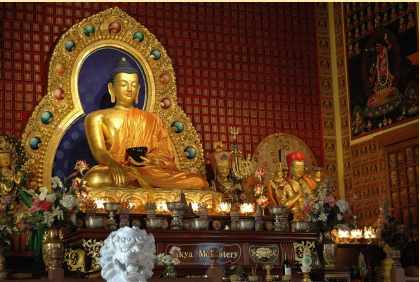
This week we read/listened to a variety of sources that all talked about Buddhism or Buddhist hell. Chapter 17, titled, “Buddhist Hell: Overview and Structure” talked a lot about the ten kings and how karma was now playing into people’s beliefs about the afterlife. Now your actions while you were living decided the type of life you lived after you die. The chapter also noted that the bureaucracy was especially something to consider as the ten kings were above everyone. In the next chapter, “Introduction of Buddhism in China” talked about how Buddhism entered China through trade routes. It also went over Buddhists’ concept of the afterlife and how it functioned. You would be judged based on your own actions instead of the rich being happy in the afterlife and the poor still struggling. The final of the textbook chapters we read was “The Ten Kings and Emperor Taizong.” This chapter centered specifically on the ten kings and how they acted as a trial of sorts for those dead. The kings would then decide the fate of those people and choose whether they must continue through the torture or be reincarnated. We also listened to the podcast “The Great Maudgalyayana ” about Mulian but beyond that, it discusses the tension between Confucianism and Buddhism as well as the bureaucracy’s place in it. They also mention how other religions have a place in the story like Christianity. They even remark how the story is somewhat similar to Dante’s inferno as well as epics. Lastly, we read a PDF called “The Quest of Mulian, or The Great Maudgalyayana Rescues his Mother from Hell”. It tells the story of Mulian as he makes his way through Buddhist hell in order to find his mother. Once he finds his mother he tries to find a way to fix his mother’s karma and eventually succeeds in a sort of roundabout way. Instead of having her based on her karma, she’s now judged on his.
This isn’t so much a to-do list for the course but a to-list of things that should be changed in the textbook. Honestly, the order of the three chapters we read felt very out of place. The introduction to Buddhism chapter should’ve had chronologically come first before the other two. Not to mention information from chapters 17 and 19 could easily be consolidated and joined together into one chapter. I felt like the overview chapter of Buddhist hell talked more about the ten kings than the chapter that was titled after them. Lastly, I noticed multiple times in chapter 19 the author used the word “I” when referring to what they would be covering in the chapter. This just felt wrong to me, no other chapter we’ve so far in the class has used “I” and given that this is a textbook “I” should not be something you’re writing with because this is meant to be an educational piece not an opinion one. Also some of the formatting in chapter 18, right at the end, doesn’t match the rest of the chapter.
This week my question is about honesty and how it affected your position in the underworld. Chapter 17 did say that if you were honest you would get a good position, this also suggests that you committed mostly good actions. But what if you were completely honest for bad reasons and only partook in bad events. Would you still have a high position or would karma come into effect?
