China’s Magical Creatures – Weekly Report #3
- Lauren B
- 0
- on Sep 26, 2022
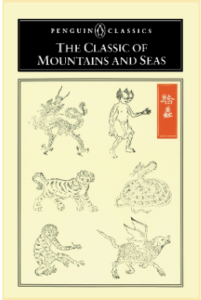
This week we read a chapter from the textbook that was centered around The Classics of Mountains and Seas which was essentially a dictionary that had information about different kinds of creatures and medicine in it. What really stood out to me was its function as a map because the examples didn’t really give me the best picture of them, it all felt very directionless. Like the mountains were to the east, there’s a sea after the mountains. It must have been very in-depth for the time but right now it’s very vague. We also read another chapter, Fangshi and Shi: Hierarchic Power of Knowledge that focused on how the fangshi and shi were placed as of high importance in the emperor’s court and what each group was generally about. The Fangshi emphasized the significance of spirituality, medicine, and comparative energies. The Shi were more about astronomy and medical sciences. Next we read the PDF Doctors, Diviners, and Magicians of Ancient China: Biographies of Fang-shih by Kenneth DeWoskin. The main question concerning this work was who had written it and how did this create bias in the text? Unfortunately, there is no clear way to eliminate bias no matter how objective one may try to be because everything is slightly biased. The last thing for Tuesday that we read was biographies that acted as a reflection about how people thought about the world around them and explained phenomena that seem strange to us. It also takes into consideration how a person’s class can change how they were perceived and written about. Nextly,, because they’re not first hand, the accounts can be positive and negative. Firstly, for Thursday we read The Significance of Tomb Burial chapter from the textbook that largely detailed the different values associated with tomb burials. We also read chapter two of The Han Cult of the Dead and Salvific Religion which detailed the changes in tomb burials. One that I found interesting was the switch from praying to other ghosts than just your familial ones so as to not get punished for their actions. The last thing we read was Wang Chong’s On Death. He talked about ghosts and how his views mainly differed from those common at the time.
As for my to do list I’ve completed all of my assigned work and readings for the week.
One of my questions is whether or not there has ever been a more in-depth version of The Classic of Mountains and Seas? Or is this not likely because it was added to as time passed so it was unlikely there would be someone with that more in-depth knowledge.
